If we look past the hype that tallow is currently receiving, we will see a time tested tradition that has existed for a very long time. Some folks say tallow has changed their skin for the better, others say it clogs their pores. What matters is experimenting and seeing what works for you and your skin type.
It's important to know that not all tallow is created equal and sourcing makes all the difference when seeking a skincare product for yourself.
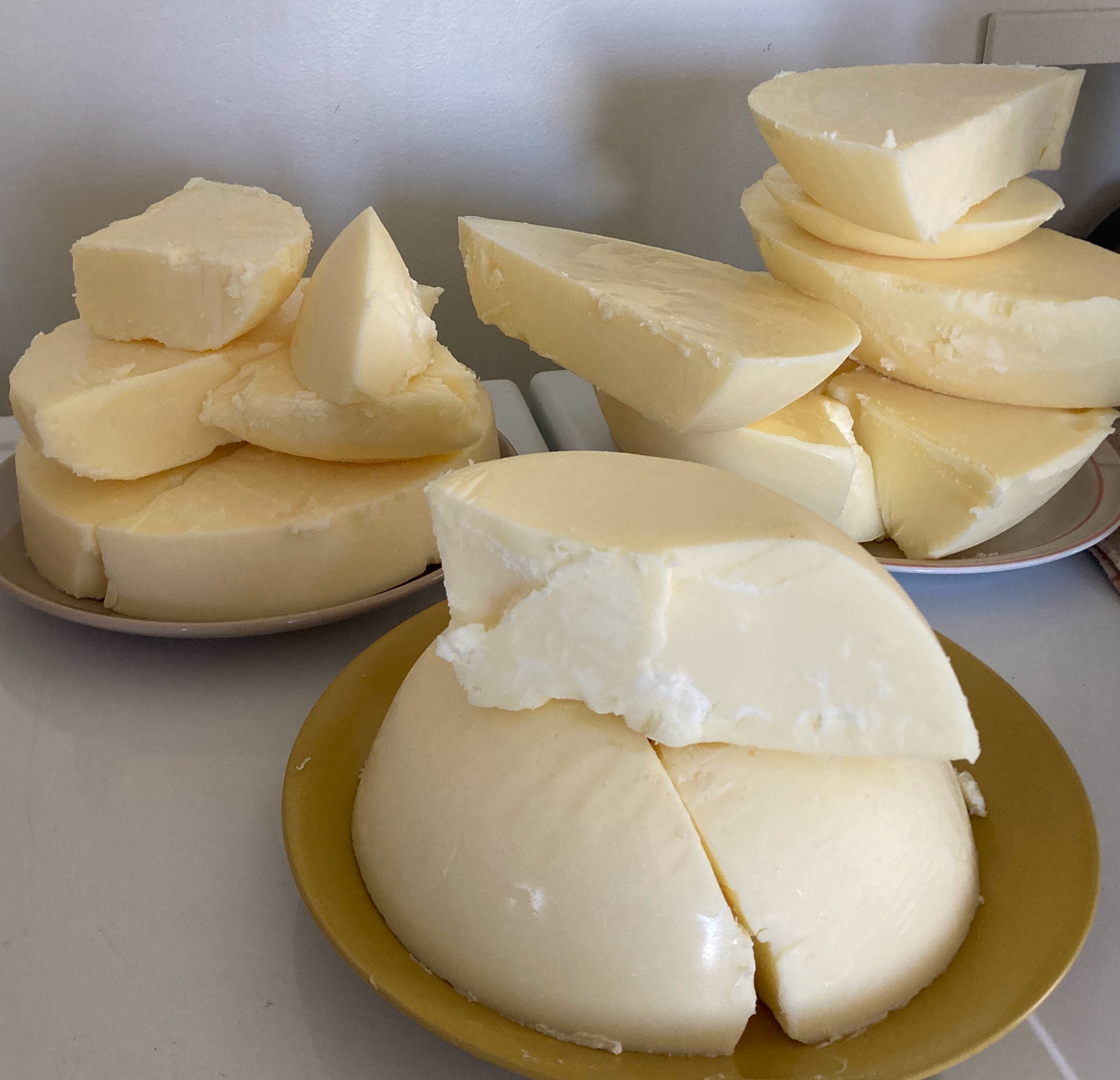
Animals store toxins in their fat just the same as we do. The reason grass fed and grass finished is optimal in the world of tallow is because less toxins will remain present in the fat that's rendered down into tallow and applied to our skin.The absence of grain in a cow's diet ensures a lower omega 6 profile in their fat. Grains are heavily sprayed with pesticides and all other sorts of gunk that the cow in turn ingests.
Of course not everyone can source both grass fed and finished beef fat for their tallow skincare. Grass fed alone still makes wonderful skincare tallow and is still far more pure than the fat that has come from a conventionally raised, poorly fed and unethically treated animal.
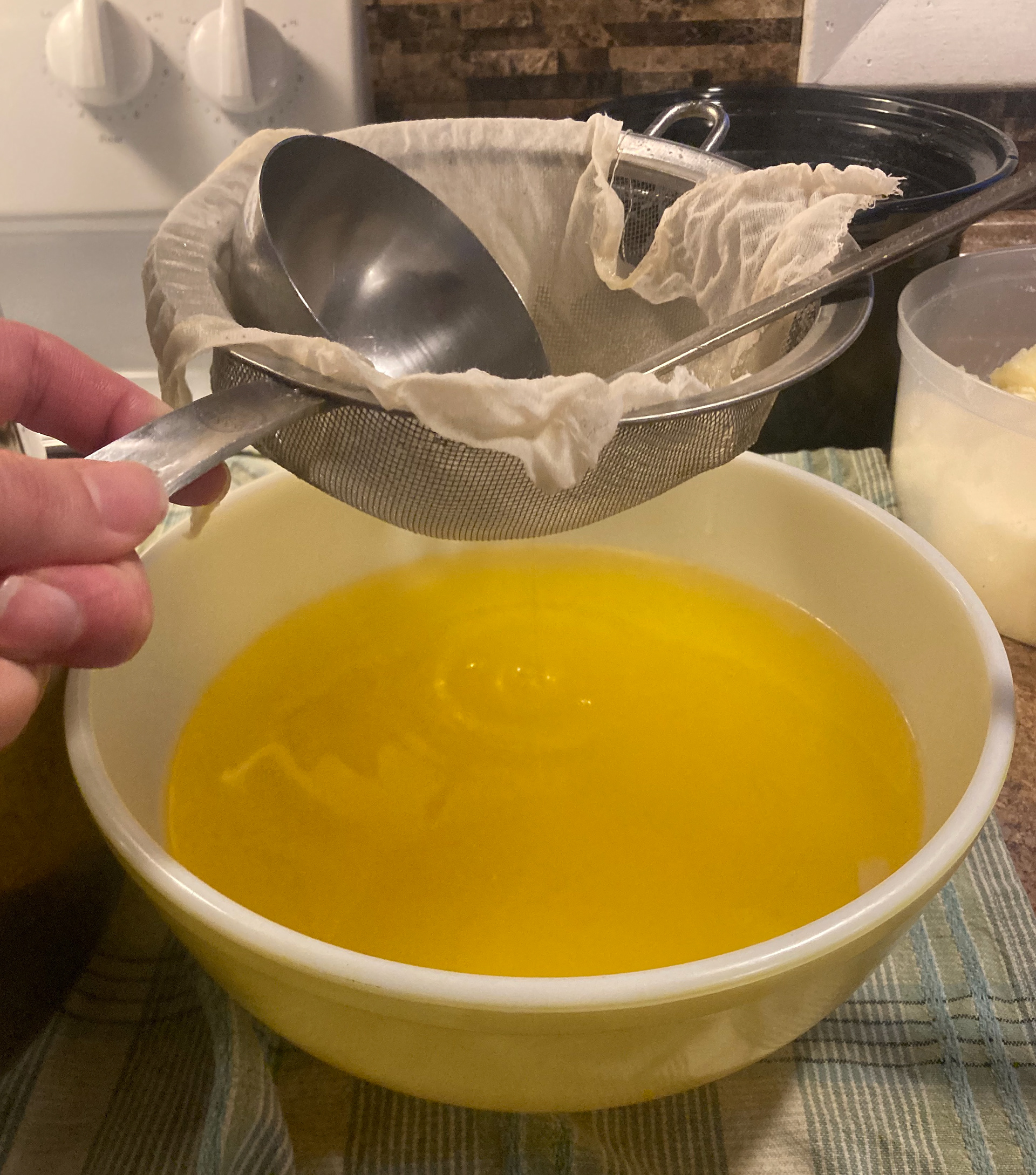
There are two types of fat from a cow: suet (the fat surrounding the organs) and trim (the fat surrounding muscle). Suet is typically preferred for skin care for its stellar nutritional profile, however trim fat also makes a wonderful tallow perfectly good enough for skin care if that's all someone has access to. What matters most is the quality of that animal's life and the integrity of the rendering process.
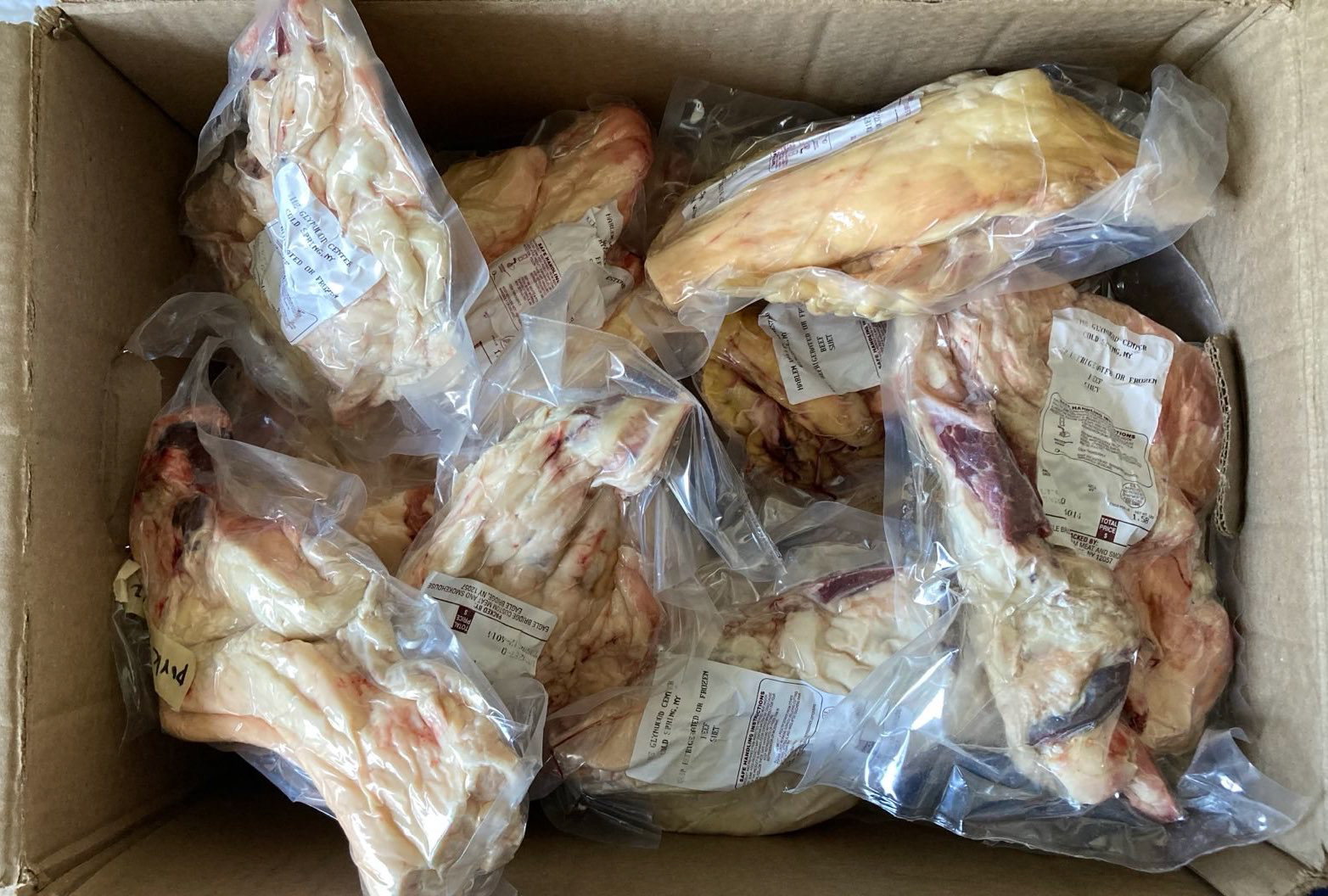
I source my fat exclusively from farms raising cows local enough I can drive to and see with my own two eyes. I do not buy tallow already rendered, but instead purchase fat in its original form straight from the farmer. Two farms I currently source from are Glynwood Center and Harlem Valley Homestead. This list will be updated as my sourcing expands.